Understanding Potato Scab: A Comprehensive Guide
<h2>Potato Scab</h2>

<p>Have you ever grown potatoes and noticed that some of them have rough or scabby patches on their skin? This condition is called potato scab, and it's a common problem for many gardeners and farmers. While it doesn't pose any health risks to humans, it can diminish the quality and quantity of your potato crop.</p>

<p>In this guide, we'll take a closer look at what potato scab is, its causes, symptoms, and treatment options. By the end of this article, you'll have a better understanding of how to prevent potato scab and keep your potato crop healthy and flourishing.</p>

<h2>What is Potato Scab?</h2>

<h3>The Definition of Potato Scab</h3>

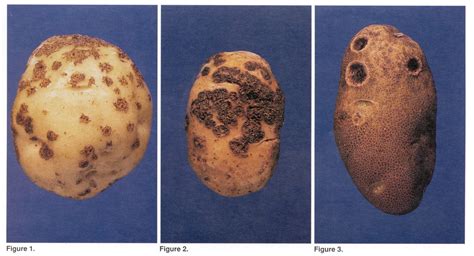
<p>Potato scab is a fungal disease that affects the skin of potatoes. It causes raised, corky, and scabby lesions on the surface of the tuber, making it unsightly and unappealing.</p>

<h3>The Causes of Potato Scab</h3>

<p>Potato scab is caused by a soil-borne bacterium called Streptomyces scabies. This bacterium produces organic acids that lower the pH of the soil, making it more acidic. The low pH conditions stimulate the growth of the bacterium, which then infects the roots of the potato plant.</p>

<p>Once inside the plant, the bacterium produces enzymes that break down the cell walls and cause the formation of scab lesions on the surface of the tuber. The disease is most common in alkaline soils with a pH between 5.2-8.4, and it's more prevalent in dry and warm weather conditions.</p>

<h3>The Symptoms of Potato Scab</h3>

<p>There are several symptoms of potato scab, including:</p>

<ul>
  <li>Raised, corky, or scabby lesions on the skin of the potato tuber</li>
  <li>Irregular, rough patches that can be brown, black, or reddish in color</li>
  <li>Cracks or fissures in the skin of the potato</li>
  <li>Reduced yield and quality of the potato crop</li>
</ul>

<h2>Treatment Options for Potato Scab</h2>

<h3>Prevention Strategies</h3>

<p>The best way to deal with potato scab is to prevent it from happening in the first place. Here are some prevention strategies:</p>

<ul>
  <li>Plant certified seed potatoes that are free of diseases</li>
  <li>Rotate your crops every year to reduce the build-up of bacteria in the soil</li>
  <li>Avoid planting potatoes in alkaline soils with a pH above 8.4</li>
  <li>Maintain adequate soil moisture levels by watering regularly</li>
  <li>Avoid over-fertilizing with nitrogen, which can promote the growth of the bacterium</li>
  <li>Use organic mulches to cover the soil and reduce the likelihood of infection</li>
</ul>

<h3>Treatment Methods</h3>

<p>If your potato crop has already been infected with potato scab, there are several treatment options available:</p>

<ol>
  <li>Remove infected plants and tubers from the field and destroy them</li>
  <li>Use a soil fumigant to kill the bacterium in the soil before planting</li>
  <li>Apply a copper-based fungicide to the soil before planting to prevent infection</li>
  <li>Avoid planting potatoes in the same field for at least three years after an outbreak of potato scab</li>
  <li>Plant resistant varieties of potatoes that are less susceptible to the disease</li>
</ol>

<h2>Potato Scab and Crop Management</h2>

<h3>The Impact of Potato Scab on Crop Management</h3>

<p>Potato scab can have a significant impact on crop management. It can reduce the yield and quality of your potato crop, making it harder to sell or consume. It can also increase the cost of production by requiring additional treatments and interventions to control the disease.</p>

<h3>Best Practices for Managing Potato Scab</h3>

<p>To effectively manage potato scab, it's important to follow these best practices:</p>

<ul>
  <li>Monitor your potato crop regularly for signs of infection</li>
  <li>Implement prevention strategies to minimize the risk of infection</li>
  <li>Choose resistant varieties of potatoes when possible</li>
  <li>Practice good crop rotation to reduce the build-up of bacteria in the soil</li>
  <li>Seek advice from local agricultural extension agencies and experts if you're unsure how to manage the disease</li>
</ul>

<h2></h2>

<p>Potato scab is a common problem for many gardeners and farmers. While it doesn't pose any health risks to humans, it can reduce the yield and quality of your potato crop. By following the prevention strategies and treatment options outlined in this guide, you can effectively manage potato scab and keep your potato crop healthy and flourishing.</p>

<h2>FAQs</h2>

<h3>1. Is potato scab harmful to humans?</h3>

<p>No, potato scab is not harmful to humans. While it may make the potato unsightly, it doesn't pose any health risks.</p>

<h3>2. How do I know if my potatoes have scab?</h3>

<p>You can tell if your potatoes have scab by looking for raised, corky, or scabby lesions on the skin of the tuber. The lesions can be brown, black, or reddish in color and may have cracks or fissures.</p>

<h3>3. Can I still eat potatoes with scab?</h3>

<p>Yes, you can still eat potatoes with scab. While the lesions may make the potato unsightly, they don't affect the taste or nutritional value of the potato.</p>

<h3>4. Can I prevent potato scab from happening?</h3>

<p>Yes, you can prevent potato scab from happening by planting certified seed potatoes that are free of diseases, rotating your crops every year, avoiding planting potatoes in alkaline soils, maintaining adequate soil moisture levels, and using organic mulches to cover the soil.</p>

<h3>5. What should I do if my potato crop has already been infected with potato scab?</h3>

<p>If your potato crop has already been infected with potato scab, you should remove infected plants and tubers from the field and destroy them, use a soil fumigant to kill the bacterium in the soil before planting, apply a copper-based fungicide to the soil before planting to prevent infection, avoid planting potatoes in the same field for at least three years after an outbreak of potato scab, and plant resistant varieties of potatoes that are less susceptible to the disease.</p>
Post a Comment for "Understanding Potato Scab: A Comprehensive Guide"